A forklift clipping a rack end or striking a pedestrian walkway barrier is rarely a one-time problem. It usually points to a traffic conflict, a blind corner, a tight turning radius, or a barrier that was never suited to the real impact risk. That is why choosing the best warehouse impact barriers is not about buying the strongest product on paper. It is about matching barrier performance to how your site actually moves.
In busy warehouses, factories, and logistics facilities, impact barriers do more than mark boundaries. They separate people from vehicles, shield rack uprights, protect doors and equipment, and reduce the expensive chain reaction that follows even a minor collision. A damaged barrier can be replaced. A damaged rack, downtime at a loading lane, or an injured worker carries a much higher cost.
What makes the best warehouse impact barriers
The best warehouse impact barriers are the ones that absorb and manage force in the right location without creating new hazards. That sounds simple, but there is no single barrier that fits every application.
A low pedestrian barrier along a walkway serves a different purpose from a heavy-duty guard in front of a loading bay door. Rack end protection faces concentrated impact from forklifts at low height, while column guards may need to defend against glancing blows from pallet trucks and repeated contact in narrow aisles. If the barrier is over-specified, you may spend more than necessary and make maintenance harder. If it is under-specified, it becomes cosmetic protection rather than a real control measure.
Material behavior matters as much as barrier shape. Traditional steel barriers can offer high strength, but after a hard impact they may deform, transfer force into the floor, or require repair. Polymer and flexible impact barriers are often chosen because they can deflect, absorb energy, and return to shape after lower-speed collisions. In many warehouse environments, that can reduce replacement frequency and help preserve the concrete substrate. But flexibility is not automatically better. In tight areas, too much deflection may allow contact with the asset you are trying to protect.
Start with the risk, not the catalog
A practical barrier selection process begins with traffic mapping. Look at where forklifts travel, where pedestrians cross, where reversing occurs, and where drivers operate with limited visibility. Most facilities already know their problem zones. They are the corners with scrape marks, the rack ends with repeated damage, the loading lanes with frequent near misses, and the production entrances where foot traffic and vehicles intersect.
This is where many buying decisions go wrong. A site installs the same barrier type everywhere for consistency, even though the risks are completely different. A better approach is to group areas by exposure level. High-energy vehicle routes need one level of protection. Pedestrian segregation zones need another. Asset-specific protection around doors, conveyors, control panels, and columns often needs a more compact design.
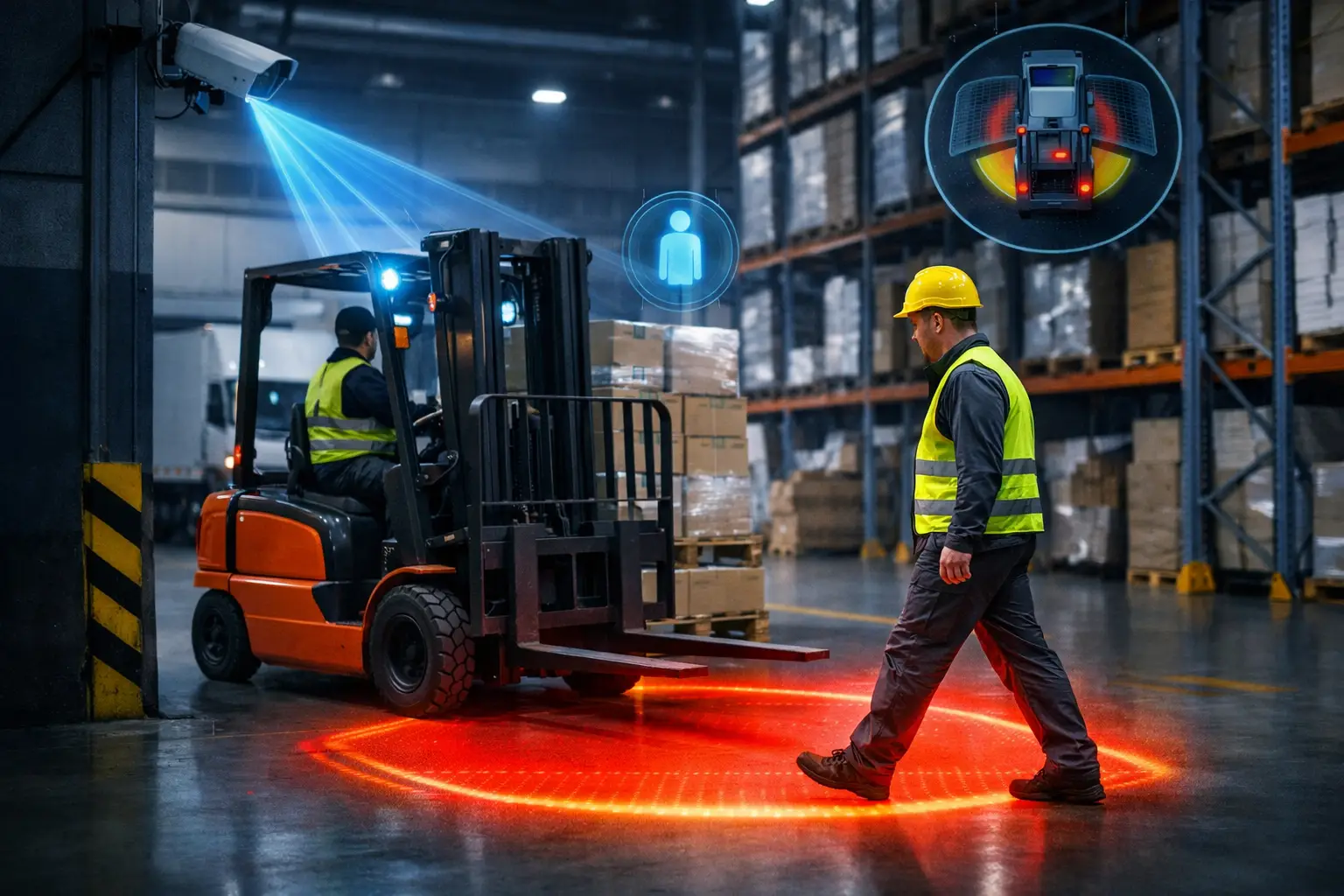
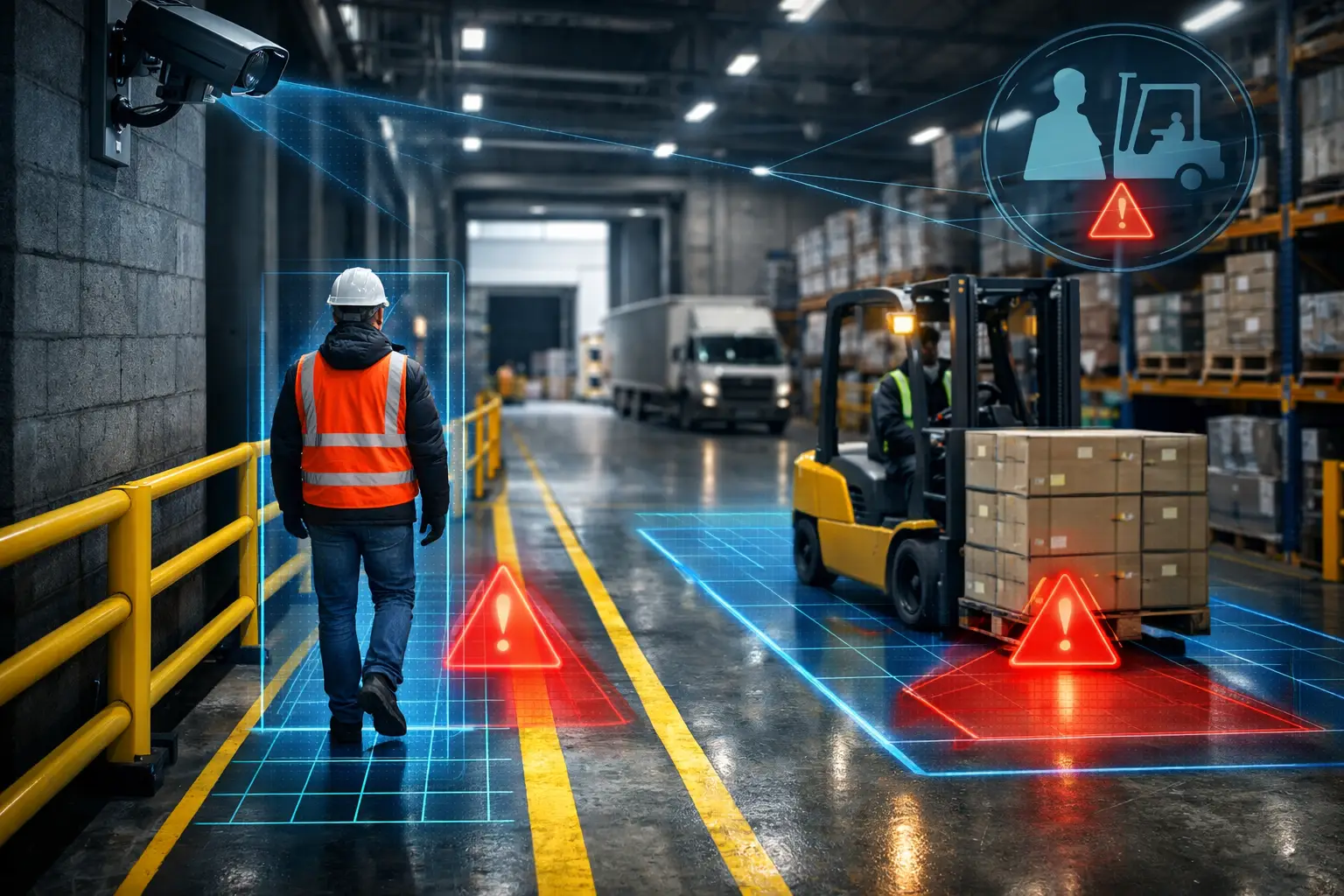
The best warehouse impact barriers are usually part of a layered traffic safety strategy, not a standalone fix. Where sightlines are poor, barriers may need to be paired with warning lights, audible alerts, floor projection, or AI-enabled monitoring. Physical separation remains one of the most reliable controls, but it works best when drivers and pedestrians can also anticipate movement around it.
Where barrier performance matters most
Pedestrian walkways and crossings
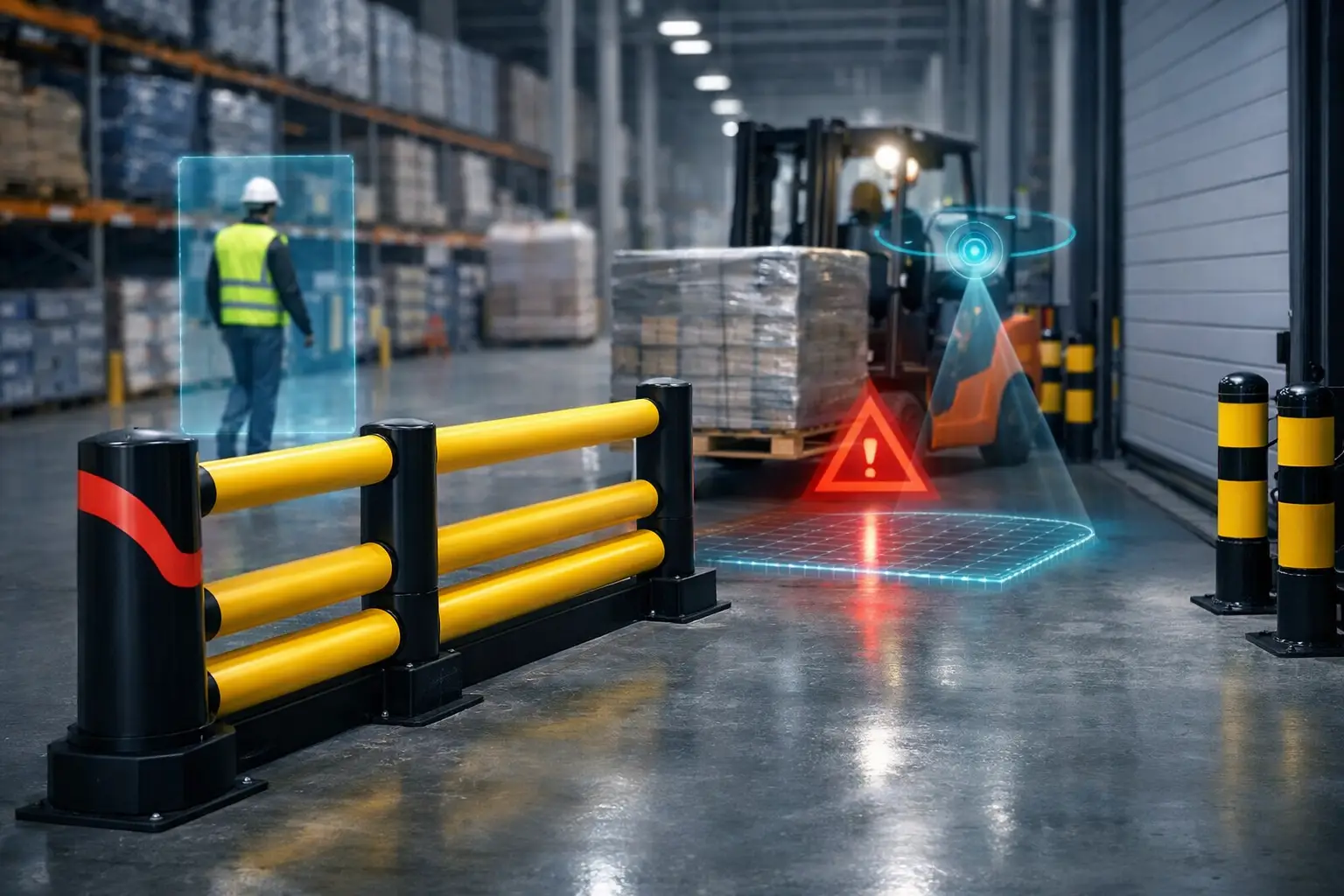
Where people and forklifts share the same building, segregation is the first priority. A painted line on the floor is useful for guidance, but it does not stop a vehicle. In areas with regular forklift movement, pedestrian barriers provide a physical boundary that reduces the chance of vehicle encroachment.
The right design depends on exposure. In low-speed internal routes, a single or double-rail system may be enough to define and protect a walkway. Near intersections or crossing points, the barrier should control how pedestrians enter vehicle zones so they do not step directly into traffic. Gates, chicane-style access points, and clearly protected crossing approaches can make a major difference.
Rack ends and storage aisles
Rack end damage is often treated as routine wear, but it is a warning sign. Even a low-speed strike can affect upright integrity, product stability, and aisle availability. Barriers for rack ends need to handle frequent, low-height contact from forklifts, especially where turning space is limited or pallets are moved quickly.
This is one area where compact, purpose-built protection often performs better than general perimeter barriers. The goal is not just to block impact, but to preserve maneuvering space while shielding the most vulnerable structural points.
Loading bays, doors, and building structure
Loading bay environments combine vehicle movement, constrained space, and operational pressure. Barrier systems around bay doors, dock equipment, wall edges, and structural columns help prevent costly building damage and service interruptions.
Here, impact frequency and impact severity can vary widely. Some sites see repeated low-level knocks from forklifts. Others face occasional but much heavier contact from larger handling equipment. The barrier should reflect that reality. Heavy-duty systems with stronger posts and more controlled energy absorption are often justified in these zones.
Best warehouse impact barriers by application
There is no universal best option, but there are clear best-fit categories.
Flexible polymer barriers are often the best choice for pedestrian segregation, internal traffic routes, and areas with repeated minor vehicle contact. They are visible, lower maintenance in many settings, and designed to absorb impact while reducing damage to both the barrier and floor fixings.
Steel barriers still have a place where impact loads are severe, space is limited, or a rigid protective boundary is required. They can be effective around external perimeters, specific plant protection zones, and high-risk structural areas. The trade-off is that after impact they may need more repair, and force transfer can be harsher on anchors and concrete.
Rack protection systems, bollards, column guards, and door protection rails are best treated as specialized barrier types, not add-ons. They solve very specific risks and should be selected based on vehicle type, turning pattern, and strike height.
For many operations, the best result comes from mixing barrier types across the site rather than standardizing around one material. That is usually the more engineering-led decision.
What buyers should ask before choosing a barrier system
The first question is not how strong the barrier looks. It is what kind of impact it must survive. That means understanding vehicle weight, travel speed, angle of approach, and frequency of contact. A barrier designed for pallet jacks is not enough for counterbalance forklifts operating at aisle exits.
It is also worth asking what happens after impact. Does the barrier spring back, deform, or need immediate replacement? Can one damaged section be changed without removing a long run? How much downtime will maintenance create if a barrier is struck during a peak shift?
Installation detail matters more than many teams expect. Floor condition, anchor quality, slab depth, and spacing all influence real-world performance. A well-designed barrier can still fail if it is fixed into poor concrete or installed without regard to the traffic path. This is why engineering support and site assessment matter. The product alone is only part of the control measure.
Visibility is another factor that gets overlooked. High-visibility colors, good line of sight, and barrier layouts that support intuitive movement help prevent impact before it happens. The best warehouse impact barriers do not just survive collisions. They help drivers and pedestrians avoid them.
Cost should be measured over time
Procurement teams naturally compare upfront pricing, but impact barriers should be assessed on lifecycle cost. A cheaper system that bends, breaks, or damages the floor after routine strikes can become the more expensive option within months. The same applies if barriers are installed in the wrong places and do little to reduce incidents.
A better measure is whether the barrier system lowers asset damage, reduces repair frequency, supports traffic control, and helps keep operations moving. In practice, that often means fewer rack repairs, less building damage, fewer blocked aisles, and less disruption to forklift routes.
For organizations upgrading warehouse safety, barriers are also a visible sign that traffic risk is being treated seriously. When combined with warning systems, floor markings, and better site rules, they reinforce safer behavior without relying only on operator memory.
The strongest barrier is not always the best one. The best warehouse impact barriers are the ones designed around your traffic risks, your assets, and the way your facility actually works. If a barrier strategy can prevent one serious vehicle strike, protect one critical aisle, or stop one person from being exposed to moving equipment, it has already justified a more careful selection process. Every worker deserves to return home safely every day, and the right barrier system helps make that outcome far more likely.