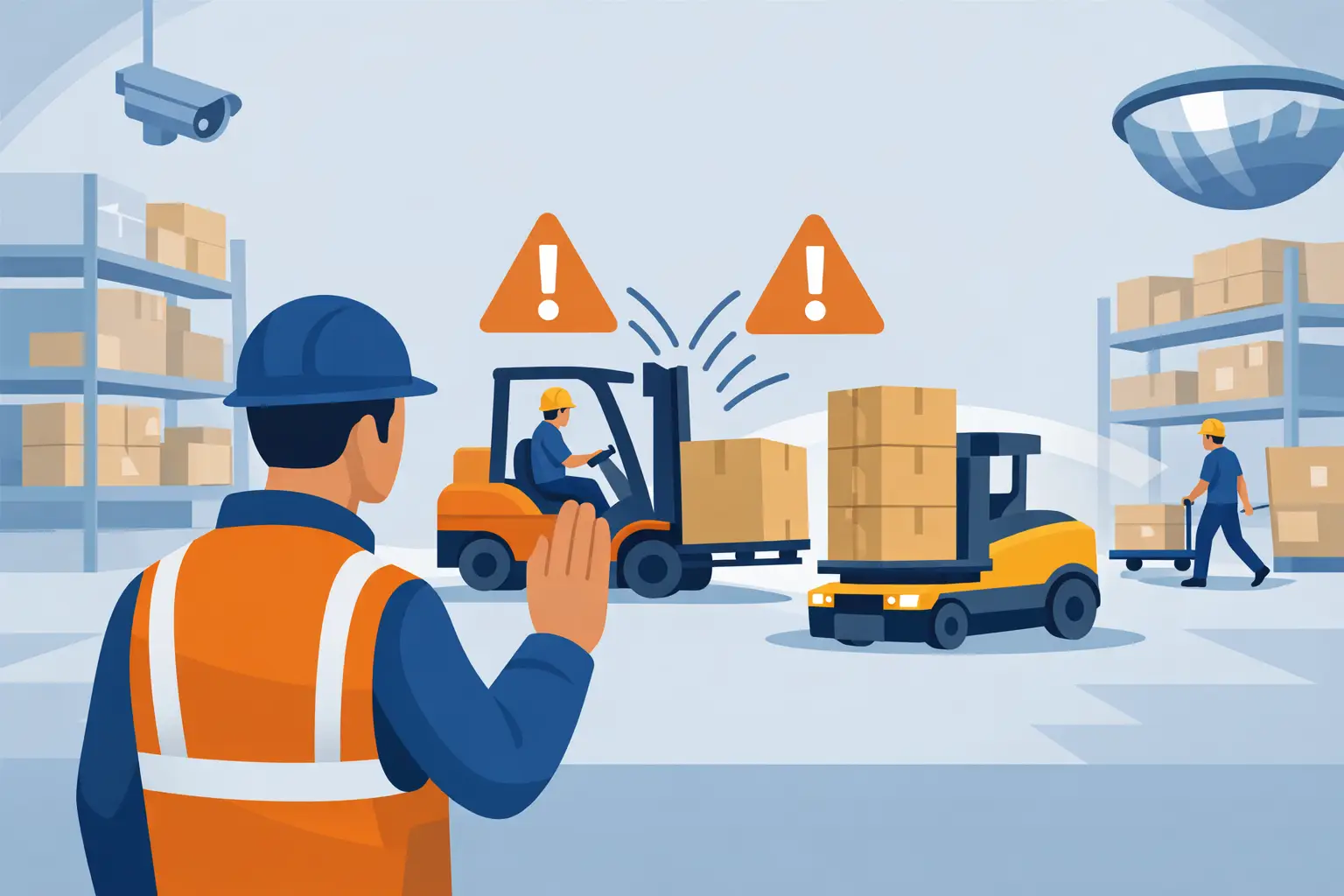
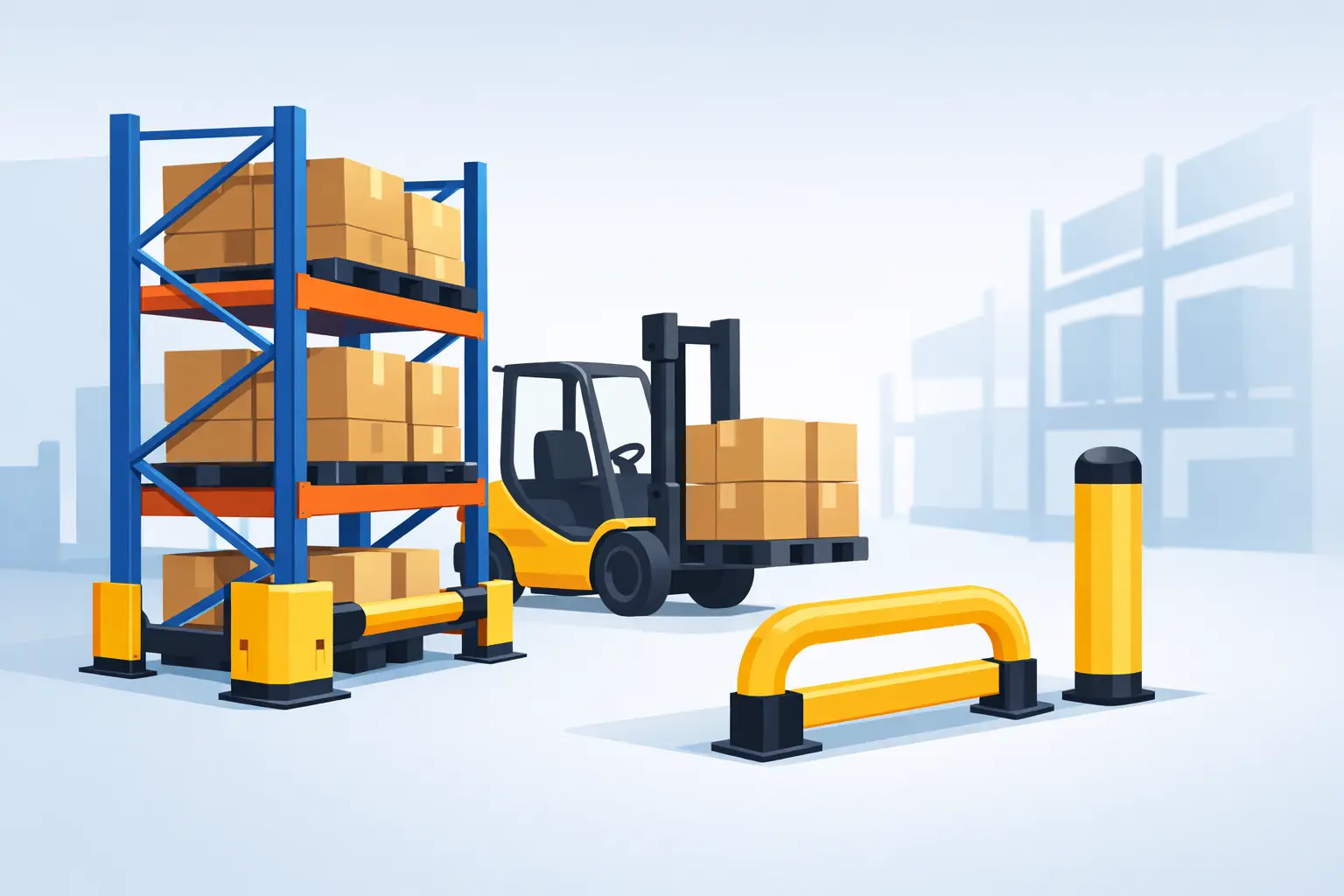
A forklift clips an upright at the end of a busy shift, and the damage looks minor. No collapse, no visible spill, no immediate injury. But that single strike can weaken the rack, compromise load stability, and create a risk that stays hidden until the next pallet movement. That is exactly why rack protection barrier systems matter. They are not just accessories around warehouse racking. They are part of a serious risk-control strategy for facilities that cannot afford injuries, structural damage, or unplanned downtime.
In high-traffic warehouses and industrial sites, rack impact is rarely a one-time event. It is usually a pattern driven by tight aisles, repetitive forklift movements, blind spots, rushed loading, and changing inventory profiles. When those conditions are left unmanaged, the rack becomes the last line of defense. That is the wrong place to absorb impact.
What rack protection barrier systems are meant to prevent
Rack protection barrier systems are designed to shield vulnerable rack structures from vehicle contact, especially at ground level where forklift collisions are most common. The goal is straightforward: absorb or deflect impact before force reaches the racking itself.
That protection serves three priorities at once. First, it protects people working near storage systems. Second, it helps preserve the structural integrity of uprights, frames, and end-of-aisle sections. Third, it protects business continuity by reducing repair costs, product loss, and interruption to operations.
This matters because rack damage is not always dramatic. A bent upright, loosened anchor, or repeated low-level impact can slowly reduce a rack’s safety margin. Facilities that rely only on visual checks after obvious incidents often miss cumulative damage until it becomes more serious.
Where rack damage usually happens
Most impacts are predictable. End-of-aisle positions are common because they sit directly in the path of turning forklifts and pallet trucks. Corner sections are also vulnerable, especially in mixed-traffic areas where pedestrians, vehicles, and staging activities overlap.
Lower rack uprights take frequent hits during pallet put-away and retrieval. In narrow or congested aisles, operators may have little room to correct alignment errors. Loading pressure, temporary staff, uneven floor conditions, and reduced visibility can all make those moments more risky.
The lesson is simple: if impact points are predictable, protection should be engineered around them rather than treated as an afterthought.
Choosing the right type of rack protection barrier systems
Not every facility needs the same level of protection, and not every barrier solves the same problem. The right solution depends on traffic speed, vehicle type, aisle layout, rack configuration, and the consequences of failure.
Upright protectors and column guards
These are typically installed at the base of individual uprights to defend against low-speed contact. They are useful where repeated minor impact is the main issue. They do not replace full perimeter protection, but they can significantly reduce damage at known strike points.
End-of-aisle barriers
These barriers protect the exposed face of racking at aisle ends, where turning vehicles are most likely to collide. In many warehouses, this is one of the highest-priority interventions because an end-frame strike can affect a larger section of the rack.
Pedestrian and vehicle segregation barriers
In some environments, the better answer is not just protecting the rack but controlling vehicle movement around it. Barrier systems that define travel lanes, guard staging zones, and separate people from mobile equipment can reduce the chance of rack contact in the first place.
Heavy-duty impact barriers
Where larger forklifts, higher speeds, or more severe impact forces are involved, lightweight protection may not be enough. Facilities handling heavy loads or operating in demanding industrial conditions often need engineered barriers with higher energy absorption and stronger anchoring performance.
This is where trade-offs matter. Over-specifying every area can inflate costs without improving outcomes. Under-specifying high-risk zones can leave critical assets exposed. The best approach is targeted protection based on actual site conditions.
Why material and design matter
A barrier is only as effective as its ability to perform under real operating conditions. Material choice affects impact behavior, maintenance needs, visibility, and lifespan.
Steel barriers may offer strong resistance, but in some applications they can transfer more force to the floor or adjacent structure if not properly designed. Polymer-based systems can provide energy absorption and flexibility, which may reduce damage during lower to moderate impacts. The right answer depends on the expected force, installation environment, and protection objective.
Design details also matter more than many buyers expect. Height, profile, anchor method, modularity, and visibility all influence performance. A barrier that protects the upright but creates a new obstruction for operators may introduce a different problem. A system that is hard to inspect or replace may raise maintenance costs over time.
For decision-makers, this means product selection should not be based on appearance alone. It should be based on tested performance, fit for traffic conditions, and compatibility with the facility layout.
Rack protection barrier systems and operational performance
Safety and productivity are often treated as competing priorities. In a well-run warehouse, they support each other.
Rack protection barrier systems help reduce the hidden operational drag caused by recurring impact damage. That includes emergency repairs, blocked aisles, damaged inventory, rack inspections after incidents, and the disruption that follows near misses. Even when no one is hurt, each impact event takes time, attention, and money away from core operations.
There is also a workforce effect. Facilities that visibly invest in protection send a clear message about standards. Operators are more likely to respect traffic controls and work within defined movement paths when the environment is structured around safe behavior.
For EHS leaders and operations managers, that translates into more than compliance. It supports more stable throughput, fewer avoidable interruptions, and better control over risk across the site.
What to assess before installation
The most effective barrier systems are usually chosen after a site-specific review, not from a catalog alone. That review should look at impact history, near-miss patterns, traffic flow, rack layout, and vehicle types.
A facility should also assess whether the problem is isolated or systemic. If one upright keeps getting hit, local protection may be enough. If multiple aisles show repeated contact, the issue may involve layout, training, visibility, or route design. In that case, barriers should be part of a broader safety intervention.
Installation quality is another practical factor. Poor anchoring, incorrect spacing, or misalignment can reduce barrier effectiveness. So can placing a barrier where it interferes with pallet handling. This is why engineering input matters, especially in active industrial environments where every change affects movement and access.
At SysGuard, this consultative approach is central to how protection systems are implemented – not as isolated products, but as part of a broader strategy to protect people, facilities, and daily operations.
Common mistakes buyers make
One common mistake is buying the cheapest visible option and assuming all barriers perform the same. They do not. Another is protecting only the most obviously damaged area while leaving connected risk points exposed.
Some facilities also focus only on rack protection after a damage event, when the better question is why the impact happened. If traffic routes are too tight, visibility is poor, or operators are under pressure to move faster than conditions allow, barriers will help, but they should not carry the entire burden of risk control.
A final mistake is treating rack protection as a one-time project. Warehouses change. Product mix changes. Vehicle fleet changes. Traffic intensity changes. Protection measures should be reviewed as operations evolve.
A practical standard for safer facilities
The strongest case for rack protection barrier systems is not that they look safer. It is that they help facilities control a known, recurring, high-consequence risk in a practical way.
When barriers are selected based on site conditions, installed correctly, and integrated with broader traffic safety measures, they do more than reduce dents and repair bills. They help preserve rack integrity, support safer forklift movement, and lower the chance that a minor impact turns into a serious incident.
Every warehouse has pressure points. The responsible move is to identify them early, protect them properly, and build a facility where people and equipment can operate without preventable risk standing in the background.