A loading bay can look routine right up to the second something goes wrong. A trailer pulls away early. A forklift crosses a blind spot. A dock door opens before the vehicle is secured. These are not rare failures. They are predictable points of risk, which is why loading bay accident prevention needs to be treated as an engineered operating discipline, not a set of signs on a wall.
For warehouse managers, EHS leaders, and operations teams, the challenge is rarely a lack of awareness. Most facilities already know their loading bays are high-risk zones. The real issue is that loading activity compresses people, vehicles, schedules, and infrastructure into one small area. When throughput pressure rises, weak controls show up fast. The facilities with fewer incidents are usually not the ones telling people to be careful more often. They are the ones that have built controls that still work when the pace picks up.
Why loading bay accident prevention fails in busy facilities
Most loading bay incidents come from a chain of small breakdowns rather than one dramatic mistake. A driver believes loading is complete. A dock worker assumes the trailer is restrained. A pedestrian uses a familiar shortcut. A damaged dock edge goes unreported because the shift is already behind. Each decision makes sense in isolation. Together, they create exposure.
That is why compliance alone does not guarantee safety. Written procedures matter, but loading bays are live environments. They change by the minute. Vehicle types vary, staffing changes, weather affects traction, and temporary workers may not know the site rules well enough to react correctly under pressure. If your prevention strategy depends too heavily on perfect human behavior, it will eventually fail.
The stronger approach is layered protection. You want physical controls, visibility aids, traffic separation, clear status signaling, and disciplined operating procedures working together. If one layer is missed, another still reduces the chance of injury, equipment damage, or downtime.
The highest-risk points in loading bay operations
A useful loading bay accident prevention plan starts with understanding where incidents actually happen. The handoff between vehicle arrival and dock engagement is one of the biggest exposure points. Reversing movements, alignment errors, and communication gaps between drivers and dock staff all create immediate risk.
The next major risk point is premature vehicle movement. A trailer that shifts, creeps, or departs before loading is complete can lead to catastrophic falls from the dock. This is one of the clearest examples of why process control must be backed by equipment control.
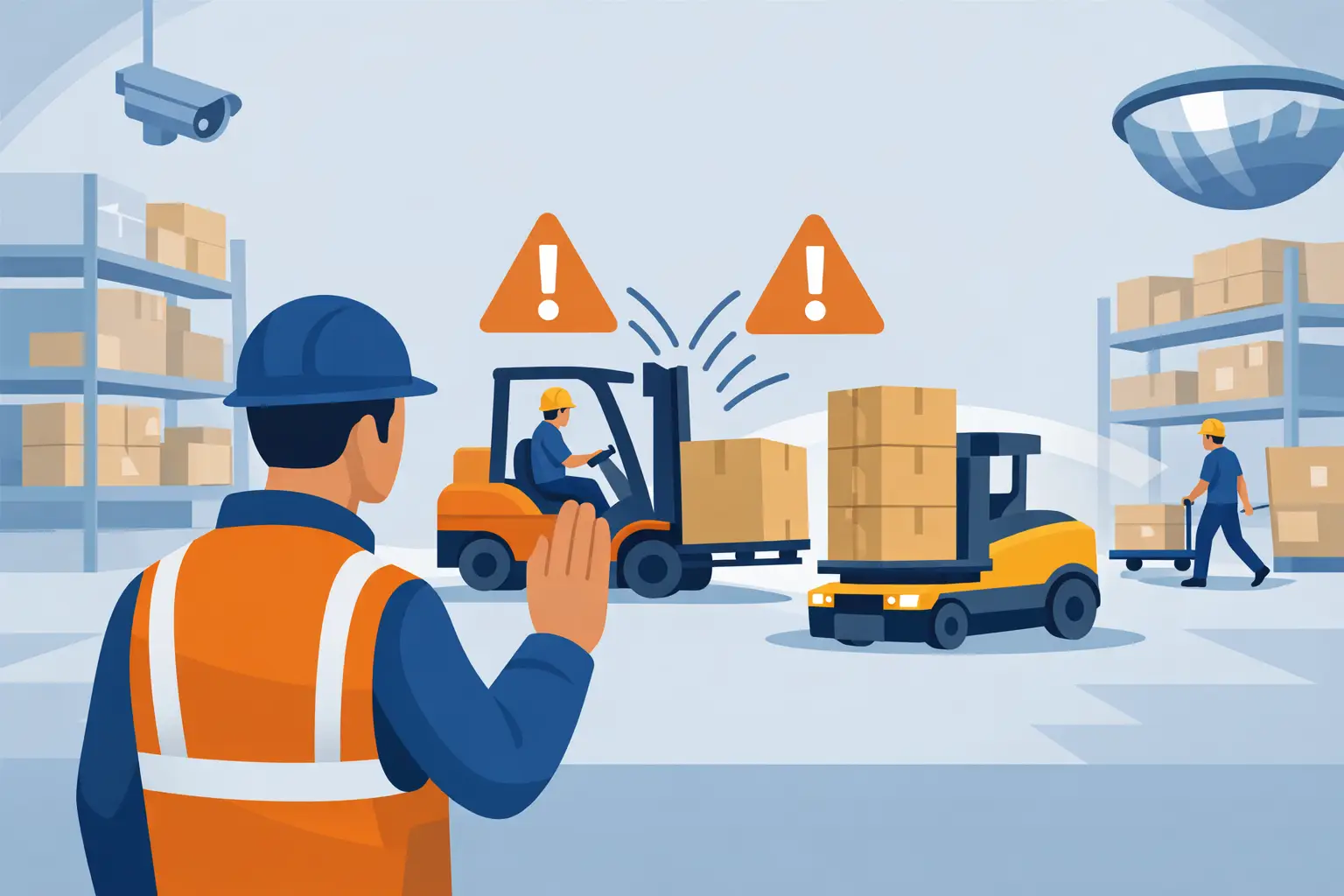
Pedestrian interaction is another recurring problem. In many sites, people move through dock areas because it is operationally convenient. That convenience comes at a cost. When pedestrians, forklifts, and trucks share space without clear segregation, near misses become part of the daily routine until one turns into a serious incident.
Then there is infrastructure impact. Dock doors, dock edges, racking near loading zones, barriers, and wall corners take repeated hits over time. A damaged asset is not just a maintenance issue. It often signals poor vehicle control, weak traffic management, or insufficient protection in a high-energy area.
Building a stronger loading bay accident prevention system
Effective prevention starts with traffic design. The safest loading bays have clearly defined vehicle routes, controlled reversing zones, marked pedestrian paths, and staging areas that reduce congestion. This sounds basic, but it is where many facilities underinvest. If truck drivers, forklifts, and pedestrians are left to negotiate space informally, you are relying on experience and luck.
Status communication is just as important. Workers need instant visual confirmation of whether a bay is safe to approach, whether a vehicle is secured, and whether loading is still active. Audible and visual alerts can remove ambiguity at the exact moments when assumptions are most dangerous. These systems are especially valuable in noisy operations where verbal communication breaks down.
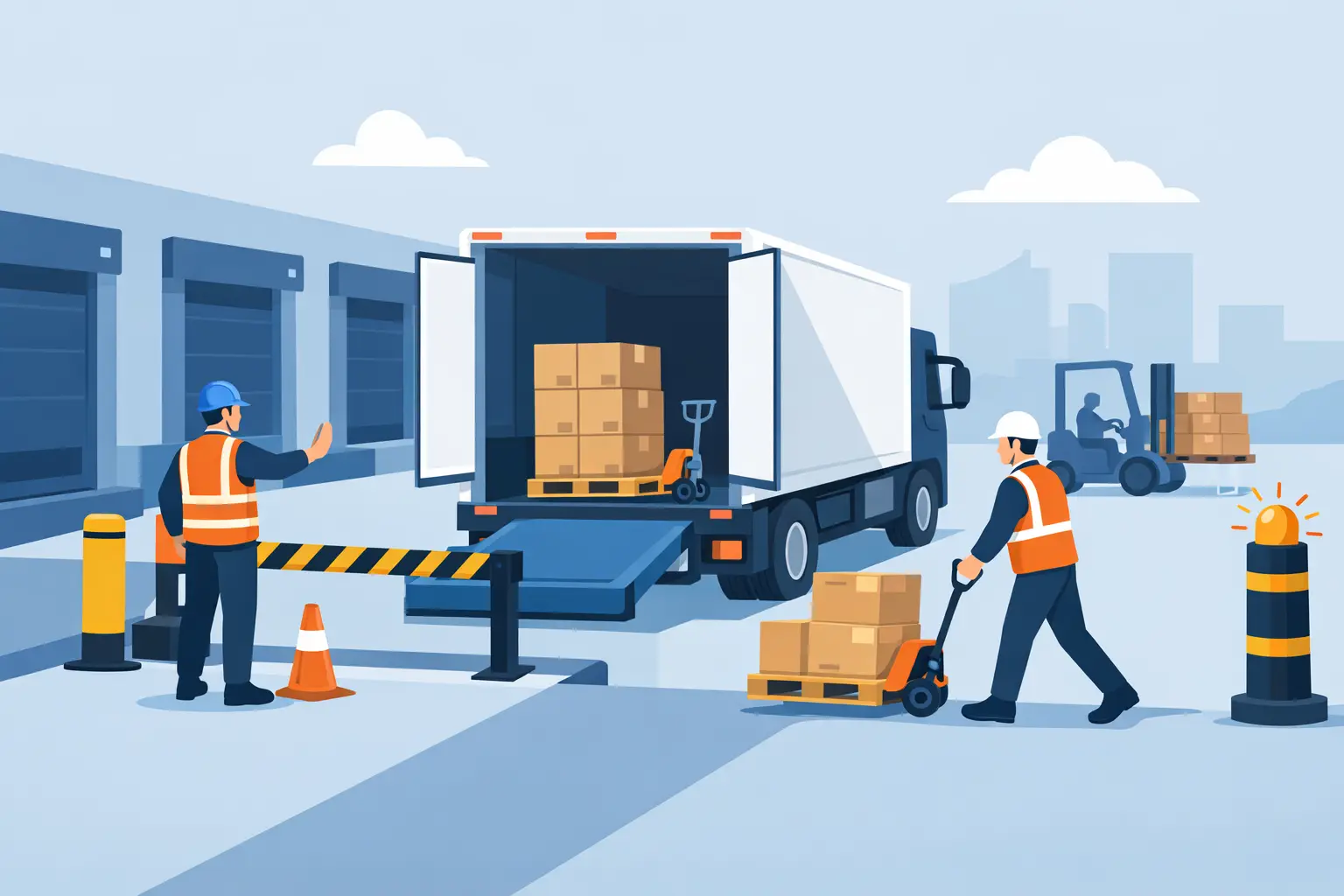
Vehicle restraint and dock safety equipment should be treated as core controls, not optional upgrades. If a site handles frequent trailer movement, the risk of early departure or trailer creep is too high to manage with procedure alone. Interlocked systems that control when doors open and when loading can begin create a much more reliable safety sequence.
Forklift movement around the bay also deserves closer control than it often gets. Speed management, right-of-way rules, blind corner alerts, and impact protection all matter. The loading bay is where forklift operators are most likely to encounter changing surfaces, tight turns, and mixed traffic. A bay that is technically compliant can still be unsafe if forklift flow has not been designed with real operating behavior in mind.
Where technology adds real value
Technology should solve specific failure points, not add complexity for its own sake. The best loading bay accident prevention systems improve decision-making in the moment and reduce dependence on memory, interpretation, or manual checks.
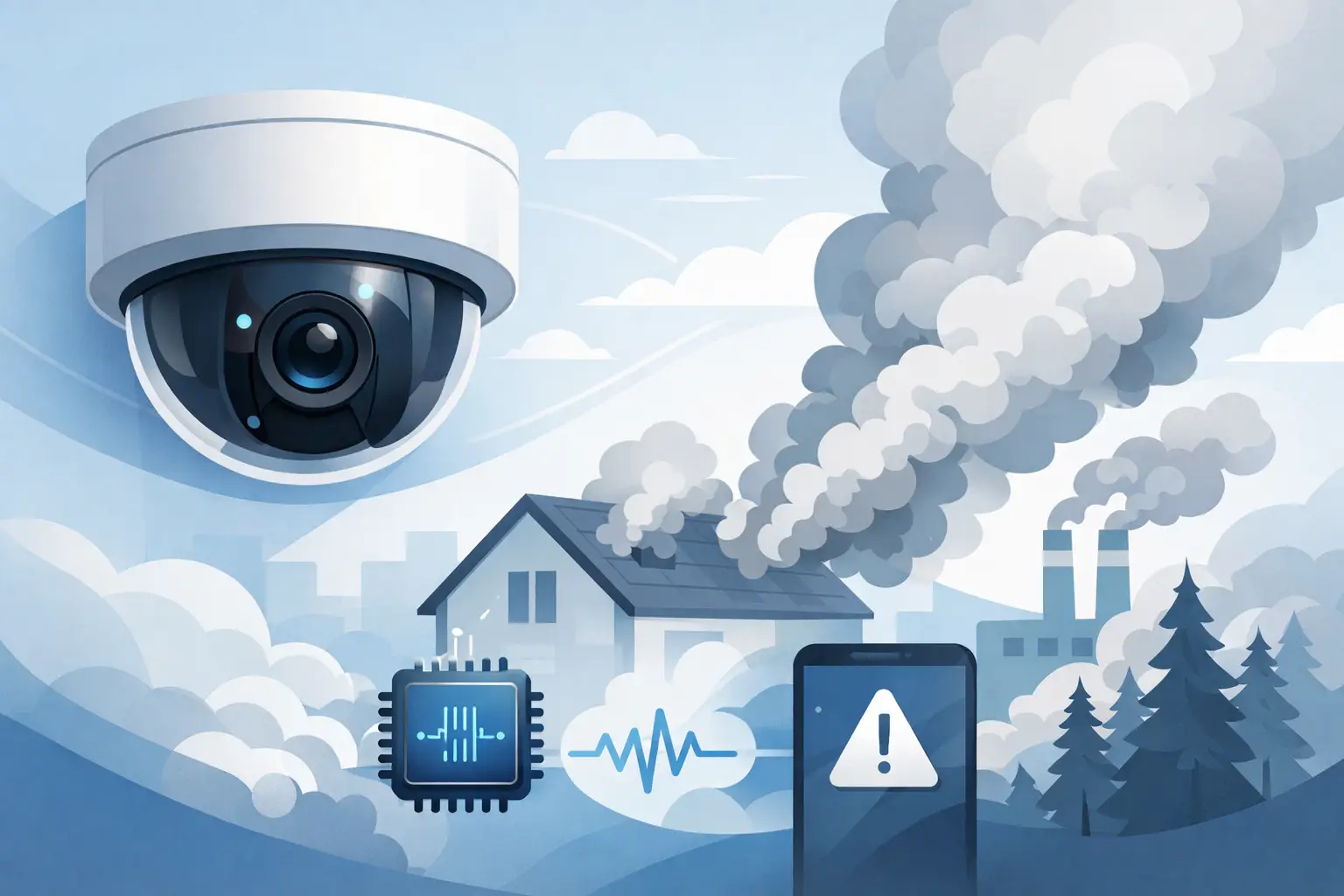
Vision-based safety systems can help identify unsafe movement patterns, pedestrian presence, and vehicle interactions in high-risk areas. They are particularly useful in sites where the same near misses happen repeatedly but are hard to monitor consistently. The goal is not surveillance for its own sake. It is earlier detection of risky behavior and better information for corrective action.
Audible and visual warning systems are another high-impact control. When a truck is approaching, when a dock is active, or when a pedestrian enters a restricted zone, immediate alerts help people react faster. In facilities with multiple shifts, contractors, or high employee turnover, these systems reinforce safety standards without depending entirely on individual familiarity with the site.
Physical protection remains essential. Barriers, dock impact protection, and rack protection near loading zones help absorb mistakes before they become injuries or major damage events. Some leaders hesitate to invest because barriers do not eliminate root causes. That is true. But they do reduce the cost of inevitable human error, which is exactly what good engineering controls are supposed to do.
Process discipline still matters
Even the best equipment cannot compensate for weak execution. Loading bay accident prevention needs clear rules for vehicle arrival, restraint verification, loading authorization, pedestrian access, and departure release. Those rules should be simple enough to follow under time pressure and visible enough that supervisors can verify them quickly.
Training should focus on actual site conditions, not generic dock safety language. Show workers where blind spots occur. Walk drivers through the arrival sequence. Make temporary changes obvious. If one bay has a different configuration or hazard profile, train for that difference directly. Generic instruction often creates false confidence because people believe they have been trained when they have not been prepared.
Incident reviews also need to go beyond assigning fault. If a forklift struck a dock edge, ask why that impact was possible. Was the turning radius too tight? Was visibility poor? Was the dock face insufficiently protected? When facilities treat every incident as a behavior problem, they miss the chance to engineer out repeated risk.
What good prevention looks like in practice
In a well-controlled loading bay, the workflow is clear before the first truck arrives. Drivers know where to stop and what signals to follow. Workers know when a trailer is secured and when the bay is live. Pedestrians are kept out of vehicle paths by design, not just by instruction. Forklift operators can move efficiently without guessing who has the right of way.
Just as important, the site can absorb minor errors without severe consequences. A barrier takes the hit instead of a wall. A warning light catches attention before a person enters danger. A restraint prevents trailer movement even if someone is distracted. This is what practical risk reduction looks like. It does not assume perfection. It assumes reality.
For many operations, the right next step is a site-specific assessment rather than a broad safety overhaul. Not every facility needs the same level of control, and not every risk can be solved with one product category. A high-volume distribution center may need integrated traffic signaling, restraint systems, and pedestrian separation. A smaller plant may get the biggest gain from better dock protection, clearer bay status indicators, and improved forklift controls. It depends on traffic density, dock configuration, vehicle mix, and the maturity of current safety practices.
That is where an engineering-led approach matters. Companies such as SysGuard help facilities look beyond individual incidents and identify the system gaps that allow those incidents to repeat. When safety measures are selected around actual operating conditions, they tend to deliver more than compliance. They protect uptime, reduce repair costs, and support more predictable operations.
Every worker deserves to return home safely every day. In the loading bay, that outcome depends less on reminders and more on control. The safer facility is usually the one that decided risk at the dock was too serious to leave to habit.